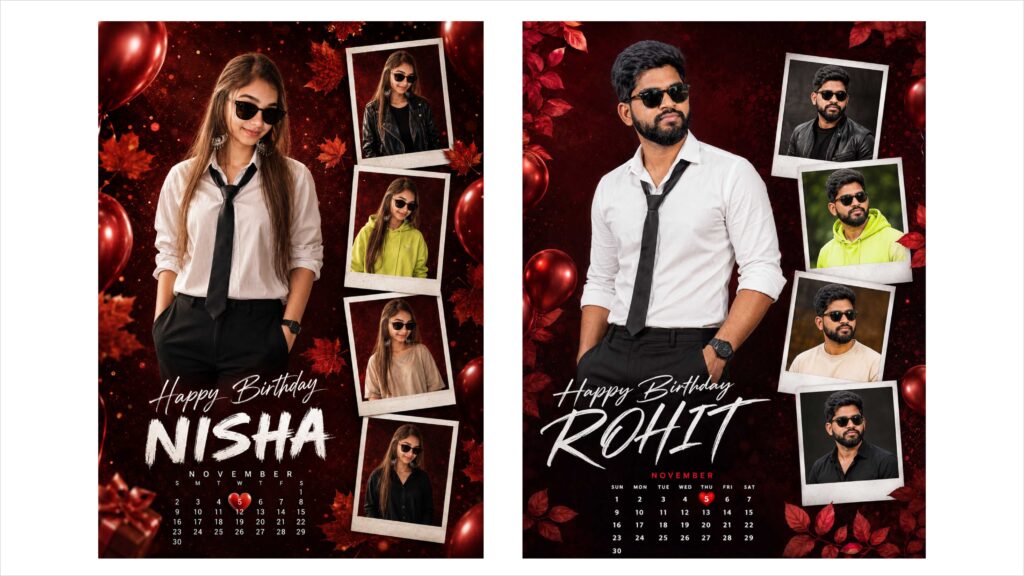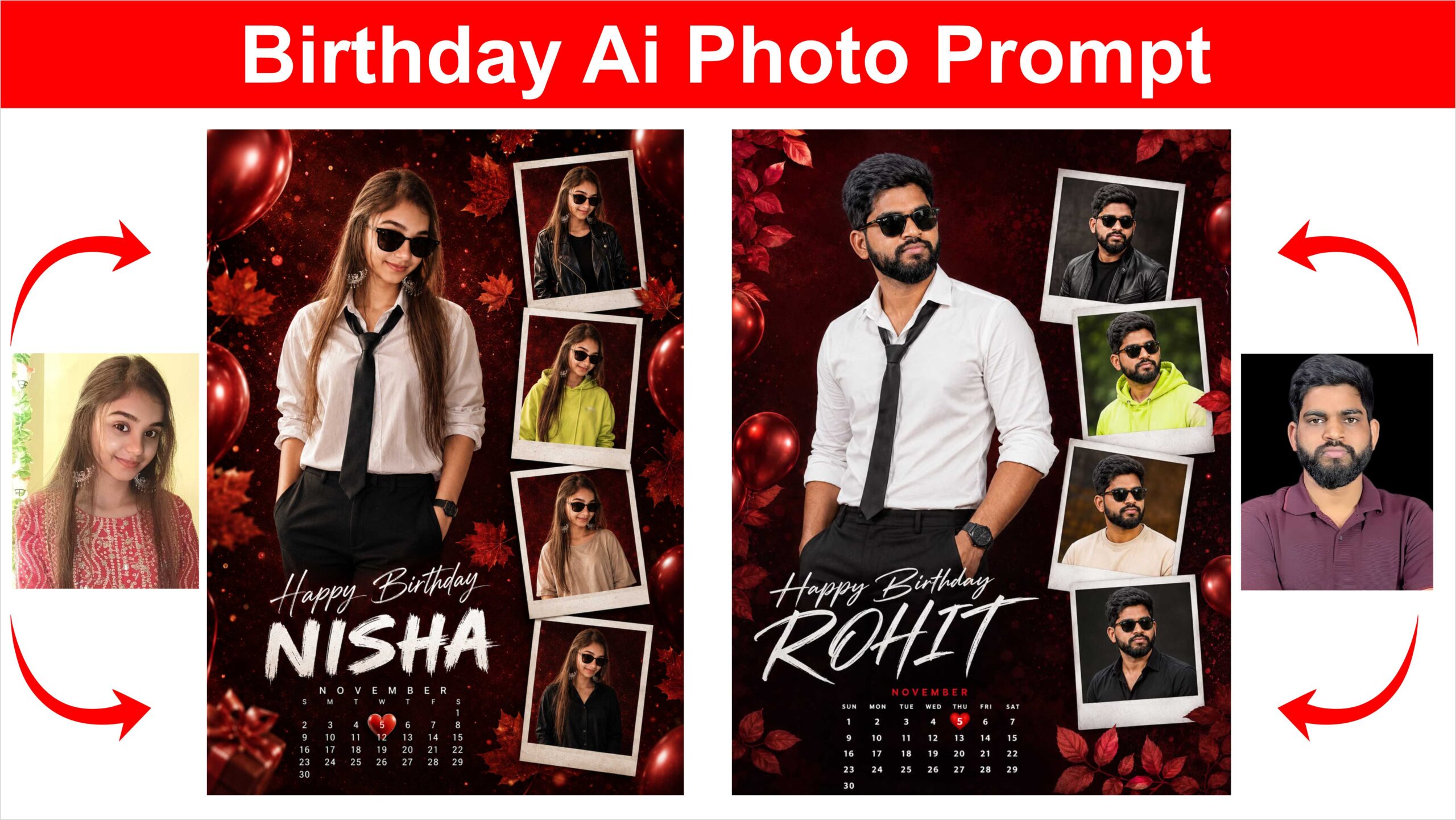
Here is a comprehensive, SEO-optimized, 1000-word blog post on utilizing Gemini for advanced photo editing workflows, tailored for tech creators and digital artists.
Mastering the AI Canvas: The Ultimate Guide to Gemini-Powered Photo Editing Workflows
The digital art and content creation landscape is shifting under our feet. For years, photo editing meant hours spent wrestling with complex layer masks, manual color grading, and tedious cloning brushes. While traditional desktop software still holds its place for absolute pixel-level control, Generative AI has transformed the creative process from a technical grind into an intuitive dialogue.
Google’s Gemini model is at the forefront of this revolution. No longer just a text-based assistant, Gemini has evolved into a powerhouse for conceptualizing, executing, and optimizing high-definition digital imagery. Whether you are a tech creator building a brand identity or a photographer looking to supercharge your post-processing efficiency, integrating Gemini into your workflow is a game-changer.
Here is your deep dive into how to use Gemini to elevate your photo editing from a routine task to an art form.
1. The Pre-Visualization Phase: Prompting as Your Creative Brief
Great photo editing starts long before you open an image file. It begins with a vision. One of Gemini’s strongest features is its ability to act as a highly collaborative creative partner during the pre-visualization stage.
Instead of guessing what lighting setups or color palettes will work, you can use Gemini to build a precise “Creative Brief.”
Color Theory Exploration: Ask Gemini to analyze color harmonies for a specific mood. For instance, if you want to create a dramatic, cinematic portrait, Gemini can break down complementary color schemes (like teal and orange) or split-complementary palettes that will make your subject pop.
Generating Hyper-Realistic Prompts: If you are using AI image generation to create base plates, backgrounds, or composite elements for your photos, the quality of your output depends entirely on your prompt. Gemini can translate vague ideas into hyper-detailed, photorealistic prompt strings.
The Creator’s Formula for Prompting:
When asking Gemini to build an image generation prompt, instruct it to include five core pillars: Subject Detail, Lighting Environment (e.g., golden hour, rim lighting), Camera Mechanics (e.g., 85mm lens, f/1.4 aperture), Color Grading (e.g., muted tones, rich contrast), and Render Style (e.g., cinematic, 4K, hyper-realistic).
2. Advanced Composition & Compositing Strategies
Compositing—the art of combining multiple images into a single cohesive piece—is notoriously difficult. Getting the lighting directions, shadows, and perspective to match perfectly takes immense skill. Gemini simplifies this by serving as your technical advisor.
Perspective and Horizon Matching
When blending a subject into a new background, mismatched horizons instantly ruin the illusion. You can describe your background image to Gemini (or upload it directly) and ask for a mathematical or structural guide on where the camera’s vanishing points lie. This ensures that when you place your subject, the scaling and angle feel completely natural.
Light Source Realism
If your background image features a strong light source coming from the top-left at a 45-degree angle, your subject must have matching highlights and shadows. Gemini can analyze an uploaded scene and provide explicit instructions on where to apply dodge-and-burn adjustments to ensure flawless integration.
3. Demystifying Complex Editing Tools (Your Inline Tutorial)
Every digital artist has faced the frustration of knowing what they want an image to look like, but not knowing which tool achieves it. Gemini acts as an instant, interactive manual for advanced editing software.
Instead of pausing your workflow to watch a 20-minute video tutorial, you can ask Gemini for immediate, step-by-step instructions.
User: "How do I create a clean frequency separation mask for skin retouching in Photoshop?"
Gemini: "1. Duplicate your base layer twice. Name the top 'High Frequency' (Texture) and middle 'Low Frequency' (Color/Tones).
2. Apply Gaussian Blur to the Low Frequency layer just until skin texture disappears.
3. Select the High Frequency layer, go to Image > Apply Image. Set Layer to Low Frequency, Blending to Subtract, Opacity 100%, Scale 2, Offset 128.
4. Change the High Frequency layer blend mode to Linear Light."
This instant accessibility keeps you in the creative flow state, allowing you to master complex technical procedures like frequency separation, luminosity masking, and chromatic aberration removal on the fly.
4. The Golden Rules of AI Identity Editing
As a creator, maintaining your personal brand identity across all visual assets is crucial. When utilizing AI tools to enhance or modify photos that feature real people or yourself, it is remarkably easy for the AI to “over-correct” or alter defining traits.
To maintain professional credibility and visual consistency, you must establish strict boundaries when using AI assistance:
Enforce Zero-Alteration Zones: Always specify to your AI tools that foundational facial structure, natural skin textures, and core defining characteristics must remain completely untouched. The goal of AI editing should be to enhance the environment, lighting, and style—not to digitally reshape or “beautify” a real face into an unrecognizable version.
Keep Graphical Elements Below the Focal Point: When creating thumbnails, banners, or promotional graphics, ensure that text overlays, frames, and geometric design elements are placed strategically at chest level or background layers. Never let graphic assets obscure the eyes or central facial features, as this instantly breaks the human connection with your audience.
5. Speeding Up Post-Processing with Batch Workflows
For professional workflows, time is currency. Gemini can help you automate repetitive tasks, allowing you to spend more time creating and less time clicking.
Scripting and Macro Creation
Did you know Gemini can write functional scripts for photo editing software? If you find yourself performing the exact same five steps on every photo you edit, you can ask Gemini to write a custom script (such as a Photoshop JavaScript or a Lightroom preset blueprint) to automate the entire sequence.
Generating Color Grading LUTs
Look-Up Tables (LUTs) are the secret sauce behind cinematic color grading. You can ask Gemini to describe the exact RGB value shifts required to achieve specific film-stock aesthetics (like classic Kodak Portra 400 or Fujifilm Superia). You can then input these numeric values directly into your color-grading panels to achieve an authentic, professional film look in seconds.
6. The Future of AI-Driven Creation
We are moving toward a future where text, code, and pixels blend seamlessly. Gemini isn’t replacing the human artist; it is removing the tedious barriers that stand between a creator’s imagination and the final canvas. By leveraging AI for conceptualizing layouts, calculating lighting vectors, and generating perfect environmental assets, you free up your mental bandwidth to focus on what truly matters: the story behind the image.
Embrace the tool, set your creative guardrails, and treat the AI as a highly skilled assistant sitting right next to you at your editing desk. The digital canvas is yours to command.
Key Takeaways for Digital Creators:
Use Gemini to generate hyper-detailed, 5-pillar prompts for perfect background plates.
Keep your human assets authentic by enforcing strict “no-alteration” rules on faces.
Structure your graphics so frames and text stay below face level to maximize visual impact.
Leverage AI to write custom automation scripts to slash your post-processing time in half.