
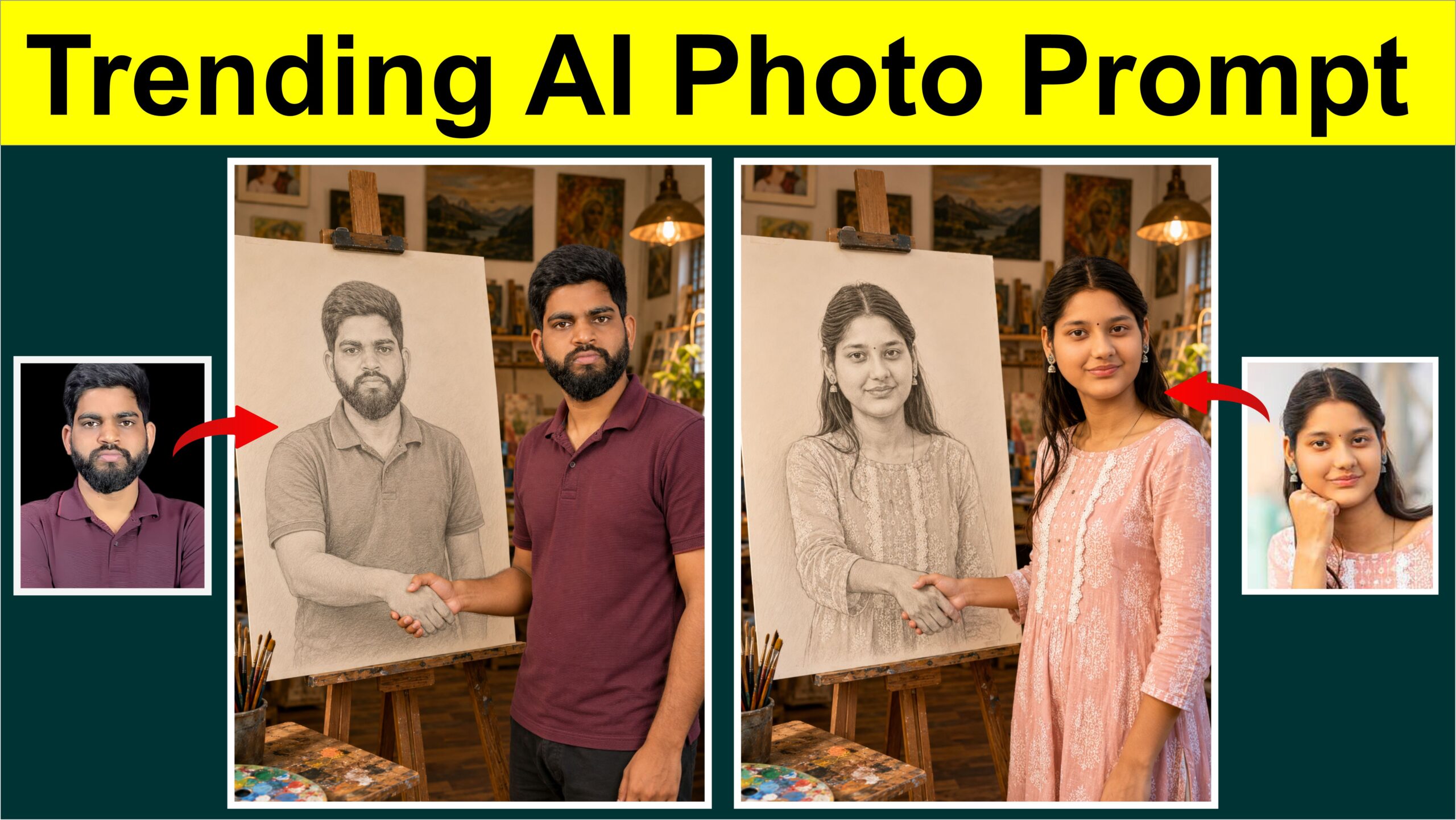
When it comes to generating or manipulating high-fidelity AI images, a **Photo Editing Prompt** is the blueprint that bridges human intent with pixel-perfect execution. Writing an effective prompt isn’t just about listing objects; it is about controlling lighting, camera physics, texture details, and composition.
To achieve cinematic, ultra-realistic results—especially when keeping the original facial features of a subject unchanged—a prompt should be structured into clear, descriptive layers.
1. The Core Subject & Action
Start with the absolute focus of the image. Clearly define who or what is in the scene and what they are doing. If you are modifying an existing portrait, specify the identity maintenance first. Avoid vague terms like “photorealistic” and instead use descriptive anchors.
Example: “A close-up portrait of a specific man with his original facial features completely intact, eyes naturally open and looking directly into the lens, sitting at a rustic wooden desk.”
2. Environment & Atmospheric Mood
The background sets the tone. Describe the setting, weather, or time of day to give the AI context for global illumination and reflections.
Example: “Set inside a moody, modern design studio with minimalist concrete walls. Large industrial windows reveal a subtle urban cityscape blurred softly in the background.”
3. Lighting & Color Palette (The Golden Rules)
Lighting is what separates a flat, amateur edit from a cinematic masterpiece. Specify the direction, quality, and color temperature of the light source.
Example: “Illuminated by warm, dramatic golden-hour sunlight streaming through the window from the side, creating soft volumetric dust motes. Implement cinematic chiaroscuro (strong contrast between light and dark) with deep, clean shadows and natural skin tones.”
4. Camera Mechanics & Composition
Instruct the AI like a professional photographer behind a physical camera. Mention lenses, angles, and camera settings to control the depth of field and perspective.
Example: “Shot on an 85mm prime lens at f/1.4 for a beautiful, shallow depth of field, rendering the background into a smooth, creamy bokeh. Captured at eye-level, perfectly centered composition, 8K resolution.”
5. Textures, Details, & Exclusions
The final layer adds the microscopic details that make a photo feel real—like skin pores, fabric weaves, or fine grain—while explicitly removing unwanted elements to keep the scene pristine.
Example: “Ultra-realistic skin textures showing natural pores and fine details, sharp focus on the iris of the eyes, subtle film grain. No artificial smoothing. Clean floor with absolutely no footwear or clutter in the frame.”
Putting It All Together
When these elements are combined, a final high-fidelity prompt looks like this:
An 8K cinematic portrait shot on an 85mm lens at f/1.4, capturing a man with his original, unchanged facial features and naturally open eyes looking forward. He is sitting comfortably in a minimalist modern room. The scene is drenched in warm golden-hour lighting from a side window, creating a shallow depth of field with a beautifully blurred background. Sharp focus on skin textures and details. Completely clean environment, no shoes or clutter on the floor, high-fidelity digital photo restoration style.”
high-quality, ultra-realistic image transformation. Keep the original face, identity, and facial features EXACTLY the same without any modification.
The scene should show the person standing inside a cozy artist’s studio
room.
Beside them is a large hand-drawn pencil sketch portrait of themselves placed on a wooden easel. The sketch must look highly detailed, realistic graphite drawing (black and white),
matching the exact pose,
outfit, and expression of the real person.
The real person should be in full color, wearing the same outfit, with natural skin tones, realistic lighting, and sharp focus. The person should be interacting with the sketch by holding or shaking hands with their drawn version.
The background should looklike a creative artist’s room: wooden floor, soft warm lighting, art supplies scattered (paint brushes, palettes, canvases), paintings hanging on walls, shelves with colors, slightly messy but aesthetic studio vibe.
Lighting should be warm, cinematic, slightly golden tone with soft shadows and depth of field. Ensure:
Face is 100% preserved (no Al face change)
Same hairstyle, expression, and outfit
Realistic hand interaction between real and sketch
Highly detailed pencil shading in sketch
Photorealistic quality, 4K resolution